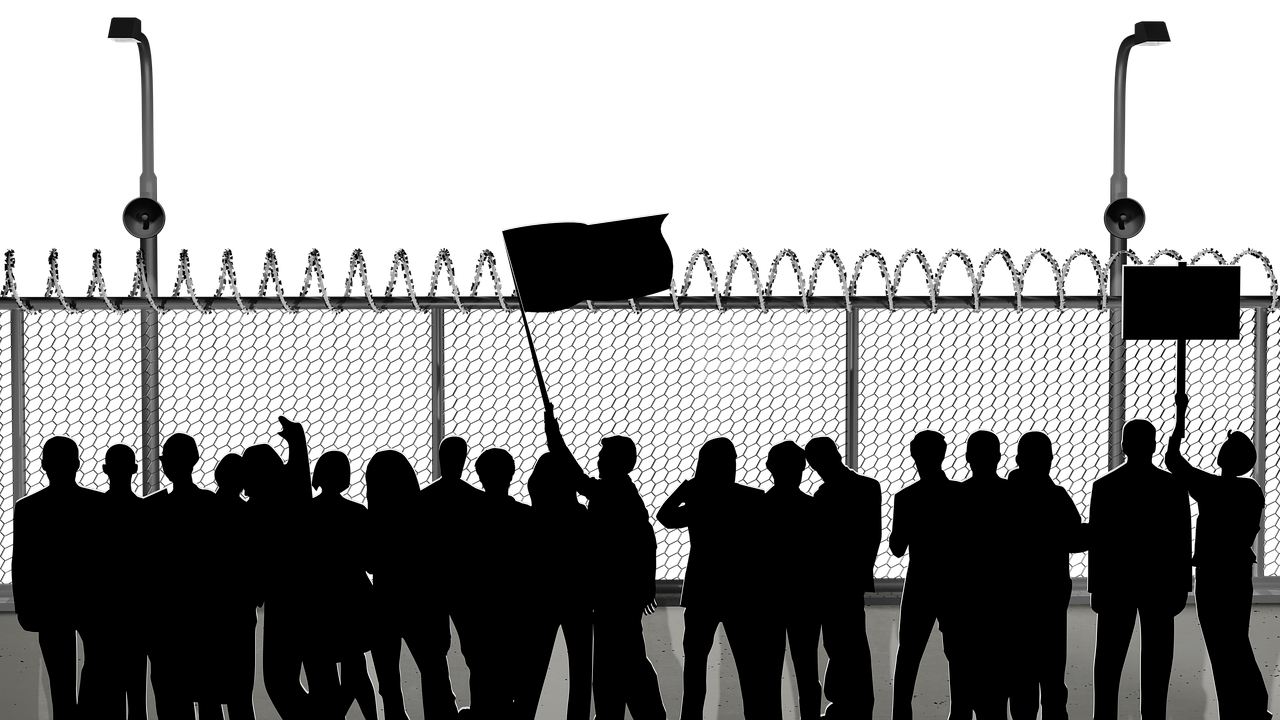
In 1768, a group of tailors in New York took a stand against their employers, who were implementing wage cuts, leading to insufficient earnings to support a family. Fast-forward to 2023, and the United Auto Workers (UAW) initiated a strike, citing inadequate wages to cover living expenses. Despite the vast time gap, the issues and outcomes of these strikes were remarkably similar—improved pay and working conditions were the primary demands.
In 2023, the United Auto Workers (UAW) strike was not an isolated event. It was part of a more significant wave of labor unrest that saw over 150,000 UAW workers, 80,000 members of the Writers Guild of America (WGA) and Screen Actors Guild-American Federation of Television and Radio Artists (SAG-AFTRA), 75,000 healthcare professionals, and United Parcel Service (UPS) workers on the verge of a strike. If it had occurred, the potential UPS strike would have been the largest labor stoppage in U.S. history.
2023—The Year of the Strike
You’d think that 2023 was the year of the strike, breaking labor dispute records—and in part, you would be right—but the number of striking workers increased, not the number of strikes. The number of labor stoppages was relatively the same as in past years, if not slightly lower. It was the number of striking workers that broke records. CNBC reported a much higher number of striking workers: “Some 362,000 workers have gone on strike so far in 2023, compared with 36,600 over the same period two years ago.”
The surge in strikes in 2023 can be attributed to a combination of factors. Decades of wage stagnation and a recent shift in unemployment rates have created a labor market where workers realize their increased bargaining power. According to CNN, the inflation-adjusted annual wages of the top 1 percent of income earners rose by 145 percent in the last 40 years, while the average yearly salaries of the bottom 90 percent grew by only 16 percent. This disparity in wage growth, coupled with a low unemployment rate (3.9 percent in April 2024), has led to a situation where workers are demanding better pay and working conditions.
Perceptions Have Shifted
Alongside the tight labor market, there has been a notable shift in perceptions about strikes. The BBC reported a significant rise in support for the 2023 strikes from working families and individuals with no personal stake in the strikes. “There was a shift among U.S. workers about what’s acceptable in terms of conditions to accept, about their worth in the workplace, and about standing up for themselves when those two things don’t match up.” This shift in perception clearly indicates the changing dynamics in the labor market.
It has been common in many sectors to see workers taking on overtime to compensate for a decline in buying power, and it is also expected to find employers pushing their workers into taking overtime because employers do not want to pay for new workers. These circumstances are why the UAW argued for a 36 percent pay rise throughout the next four years and shortened work weeks. At UPS, one of the significant demands was for safety equipment. And long working hours and safety conditions are issues that resonate with the American public.
In considerable measure, Americans agree that what striking workers want is justified. Data shows that nearly 60 percent of Americans agree worker pay should increase as CEO pay climbs and that a company must provide strong worker protections, even if consumers have to absorb some of the costs. More than 50 percent of U.S. adults supported the labor stoppage regarding the UAW strike.
Conclusion
Perhaps enough is enough when it comes to what workers are willing to put up with, and this feeling is not just restricted to unionized workers—American workers across the board realize that the answer to getting ahead is not to work harder and longer for pay that won’t cover the costs of living. The American workforce is pressuring employers to acknowledge the financial burdens they face, and if they don’t listen to their needs, there will be increasing support for work stoppages.
Since the tailor’s strike in 1768, wages have been the foremost issue. Today, UAW, Kaiser Permanente, and UPS are the vanguard for wage increases to ease the burdens of the bottom 90 percent—this should never be a zero-sum equation. Employers and employees are interdependent; when one prospers, so should the other. There is a win-win scenario that resides in organizations having processes in place for open communication, which can result in each side understanding the issues of the other.
Every strike involves compromise, but thoughtful and constructive bargaining will always lessen the negative impact. Workers will be happier with their pay and working conditions, and the public will feel much better about the economy’s future.
Trevor Fandale is President of Huffmaster. He joined the company in 2016 as Vice President of Finance, bringing with him a strong background in financial analysis and strategic planning. Trevor has provided executive assistance to develop short and long-term company goals, plans, and development strategies. Trevor’s expertise and vision have been invaluable to the company’s success.